
This clinical case report presents a combined tooth whitening and microabrasion approach for the removal of white spot lesions and smile enhancement using Whiteness RM and Whiteness Perfect
Authors: Dr. Thais Furtado Alves, Prof. Dr. Maria Carolina Santos Picinini, Prof. Dr. Isabela Celine do Carmo Ferreira, Prof. Dr. Rodrigo Guerra de Oliveira, Prof. Dr. Leonardo Santos Picinini, and Prof. Dr. Paulo Sérgio Quagliatto.
Female Patient, 23 Years Old
The patient sought treatment due to dissatisfaction with the appearance of her smile caused by the presence of white spots on her teeth.
Initial Assessment
The patient reported that the white spots had been present since tooth eruption. However, she denied any sensitivity associated with these lesions and showed no discomfort during clinical examination when subjected to sensitivity tests.
Clinical evaluation revealed the presence of white spots on all teeth, predominantly on the buccal surfaces, especially in the incisal and cervical thirds. The patient reported no history of orthodontic treatment and had never undergone tooth whitening procedures.
Most of the white spot lesions exhibited a smooth and glossy surface. However, some teeth presented irregular surface characteristics. This was observed, for example, in the cervical third of tooth 11, the incisal portion of tooth 12, the middle third of tooth 31, the cervical region of tooth 23, and the incisal portions of teeth 24 and 25.
During the examination of teeth 33, 34, and 35, cervical cavities were identified. These areas showed no sensitivity upon probing, and no loss of dental structure was observed during the examination.
A transillumination assessment was performed using a curing light. This examination revealed that only certain areas of the white spot lesions displayed a more defined and opaque appearance. The use of light enhanced the visualization of lesion characteristics, contributing to a more comprehensive diagnosis.
Microabrasion Treatment Protocol
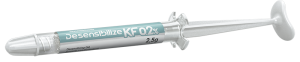
The treatment began with the use of Desensibilize KF 0.2%. The product was applied in a tray and worn for 10 minutes daily over a period of one week.
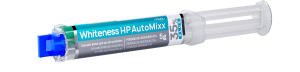
For the in-office whitening procedure, Whiteness HP AutoMixx 35% PLUS, a 35% hydrogen peroxide whitening gel, was used. An in-office treatment was initially selected to achieve faster whitening results.
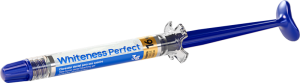
For the at-home whitening phase, Whiteness Perfect, a 16% carbamide peroxide whitening gel, was prescribed for use in a custom tray for three hours per day over a 30-day period.
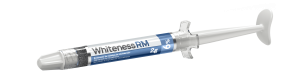
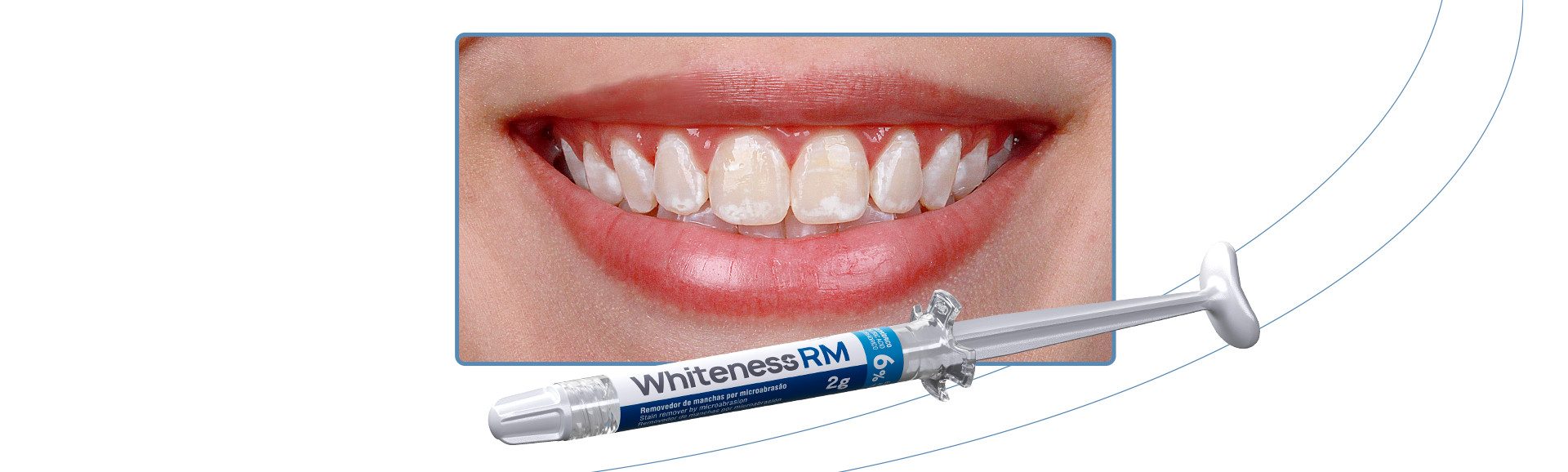
One week after completing the whitening treatment, microabrasion was recommended for teeth 15 to 25 and 34 to 44. The procedure was performed using Whiteness RM, a stain-removal microabrasion compound containing 6% hydrochloric acid and silicon carbide.
Seven days after the microabrasion procedure, the patient was reevaluated to determine whether any direct restorative treatment was necessary. Finally, standardized clinical photographs were taken to document the treatment outcome.
Step-by-Step Whitening and Microabrasion Procedure
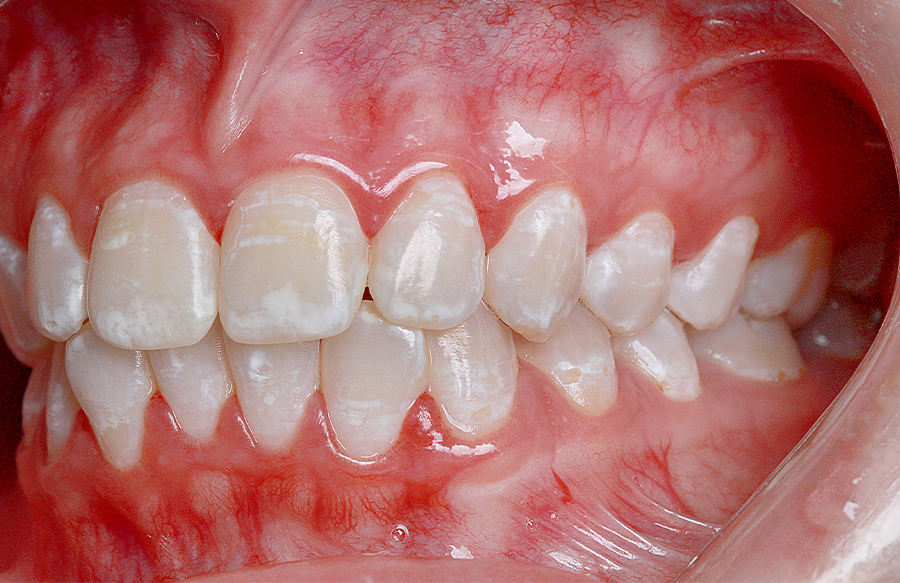
1 | Initial clinical evaluation of the region of tooth 23.
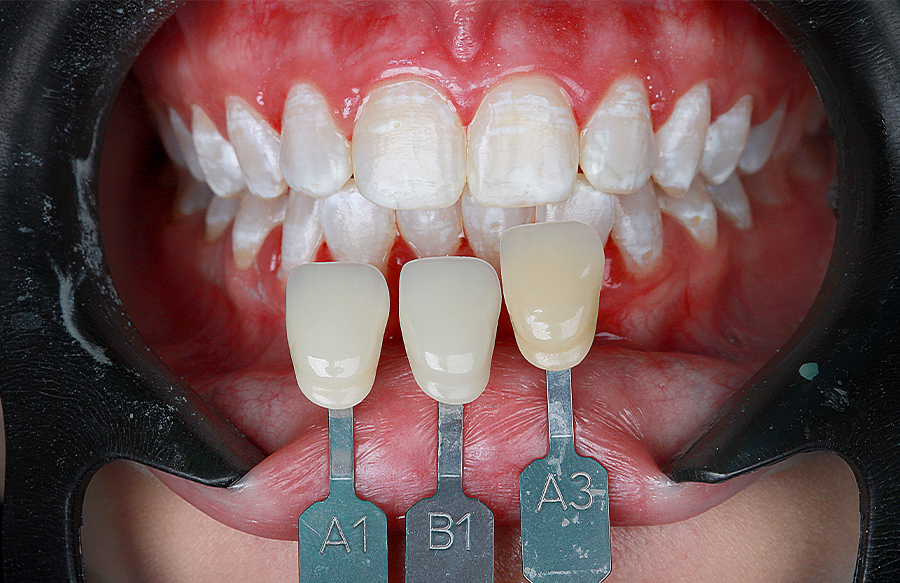
2 | Initial shade selection using A1, A3, and B1 shade tabs.
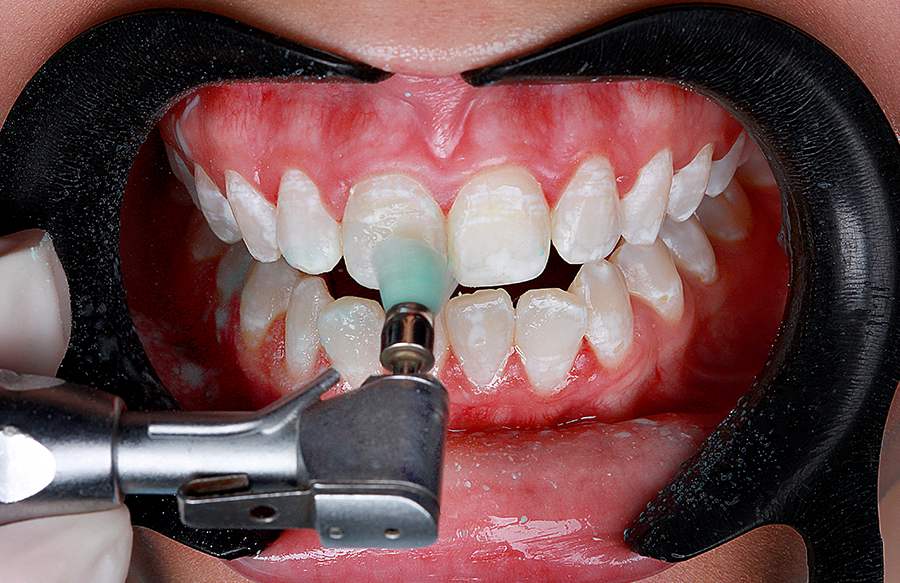
3 | Prophylaxis.
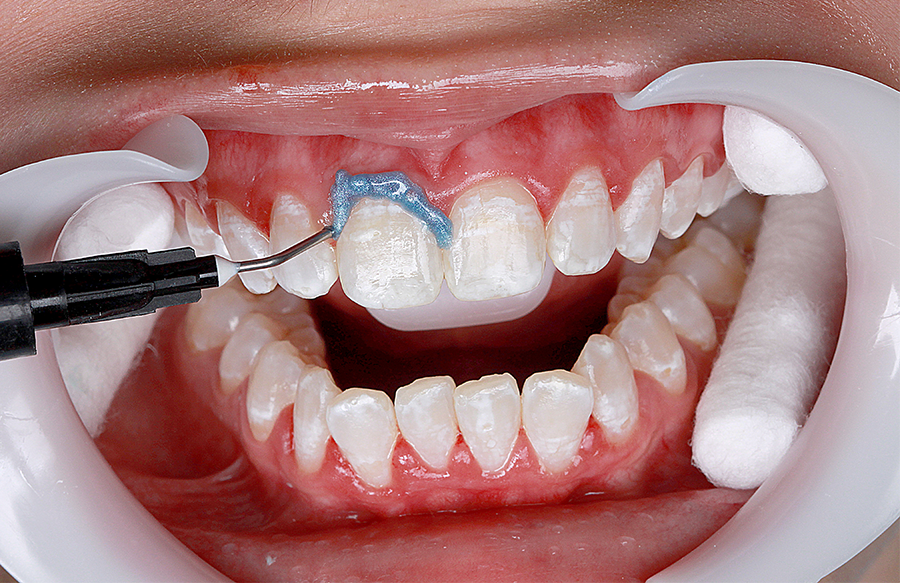
4 | Application of Top Dam gingival barrier.
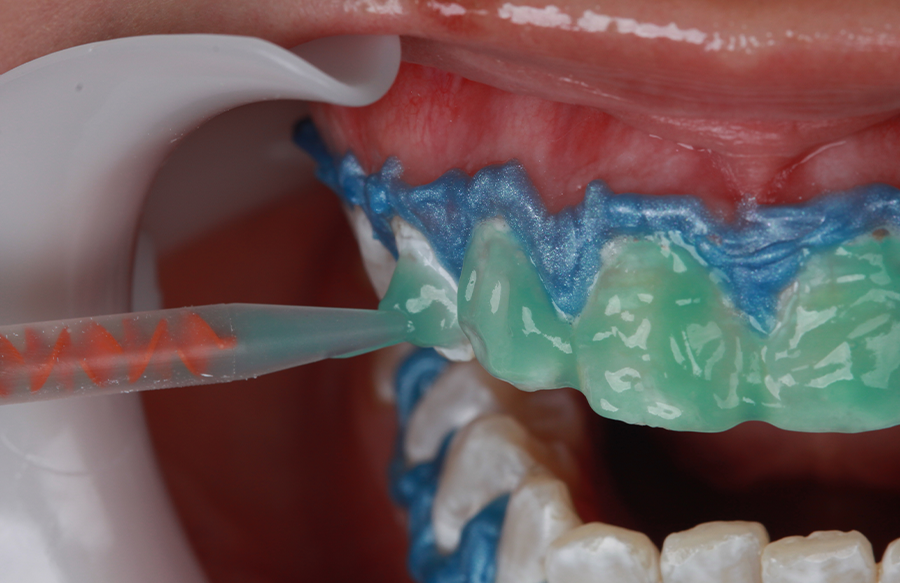
5 | Application of Whiteness HP AutoMixx 35% PLUS whitening gel.
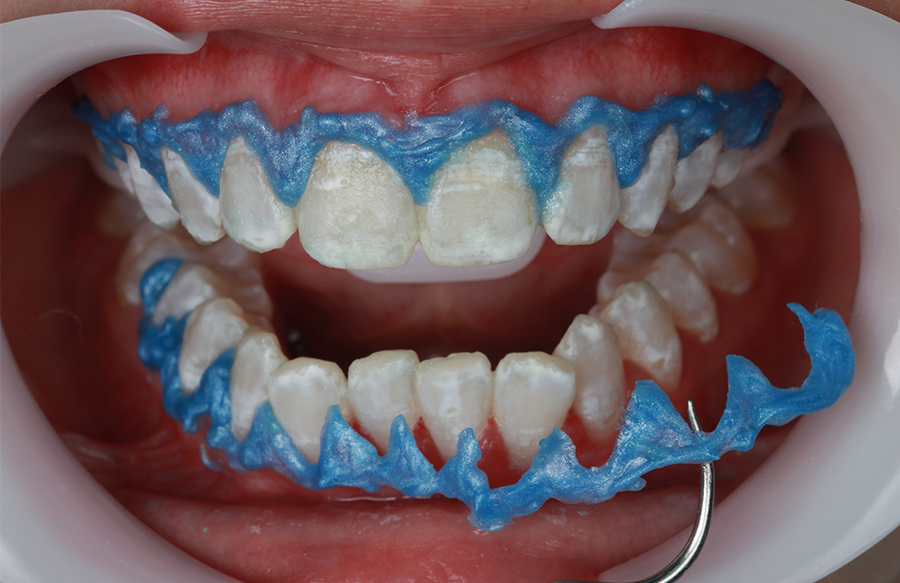
6 | Removal of the gingival barrier.
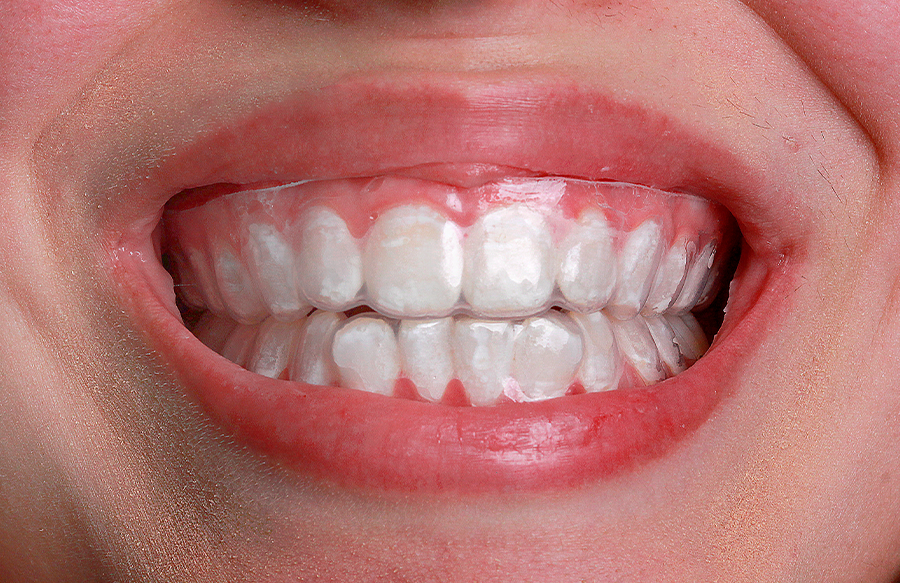
7 | Smile evaluation using 1 mm upper and lower silicone whitening trays with Whiteness Perfect.
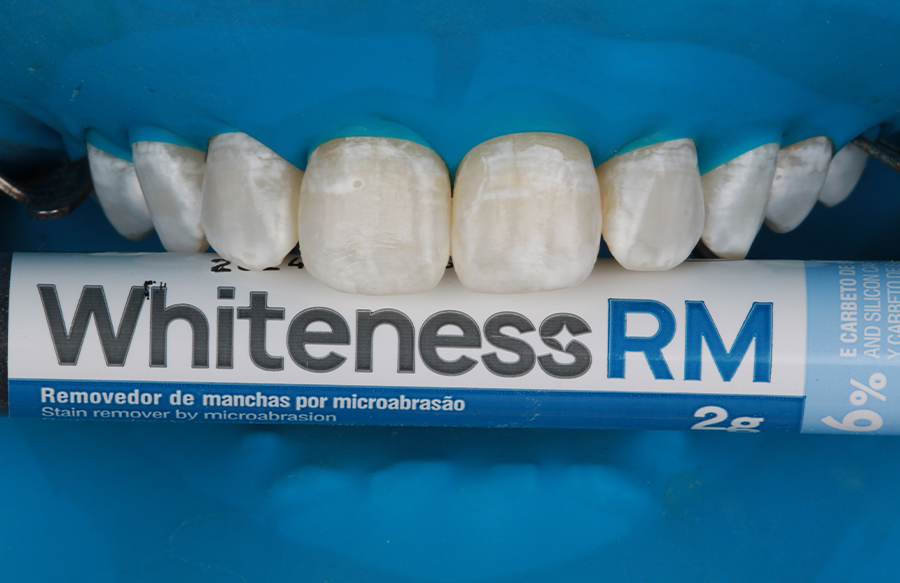
8 |Rubber dam isolation to perform microabrasion with Whiteness RM.
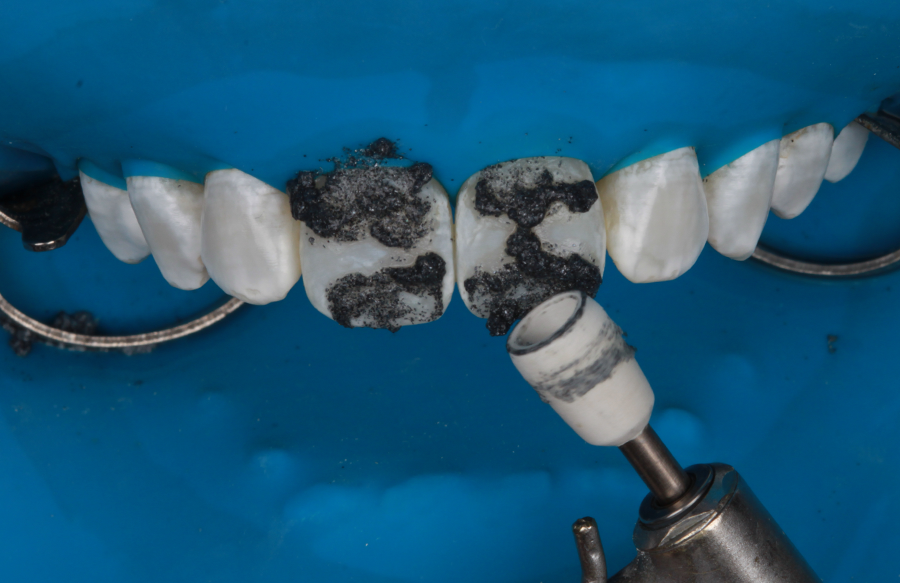
9 | Application of Whiteness RM using a rubber polishing cup.
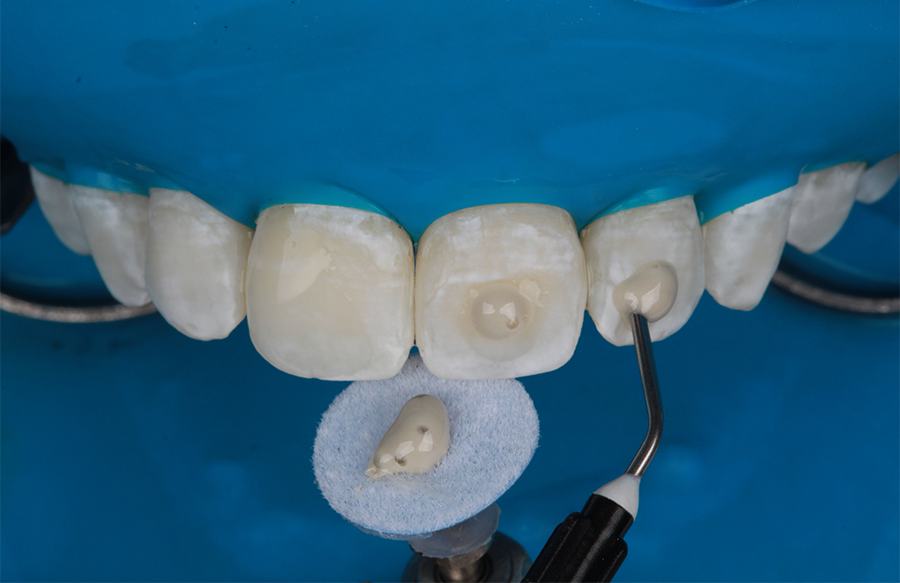
10 | Polishing with diamond polishing paste.
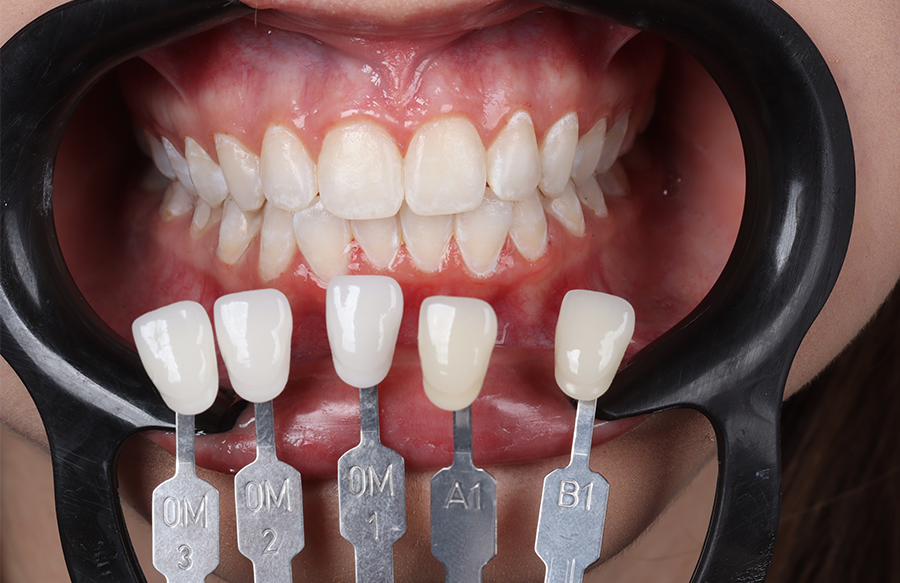
11 | Final shade registration.
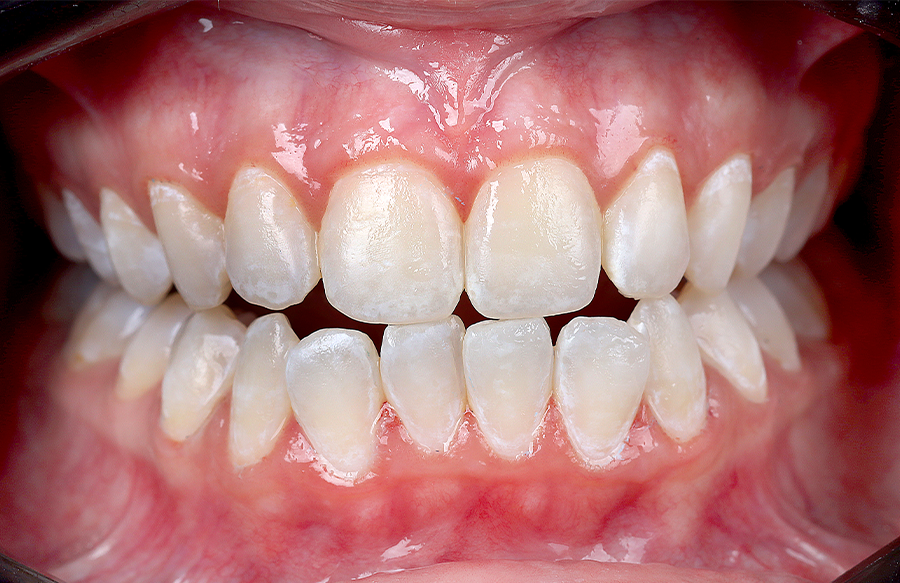
12 | Final protrusive view.
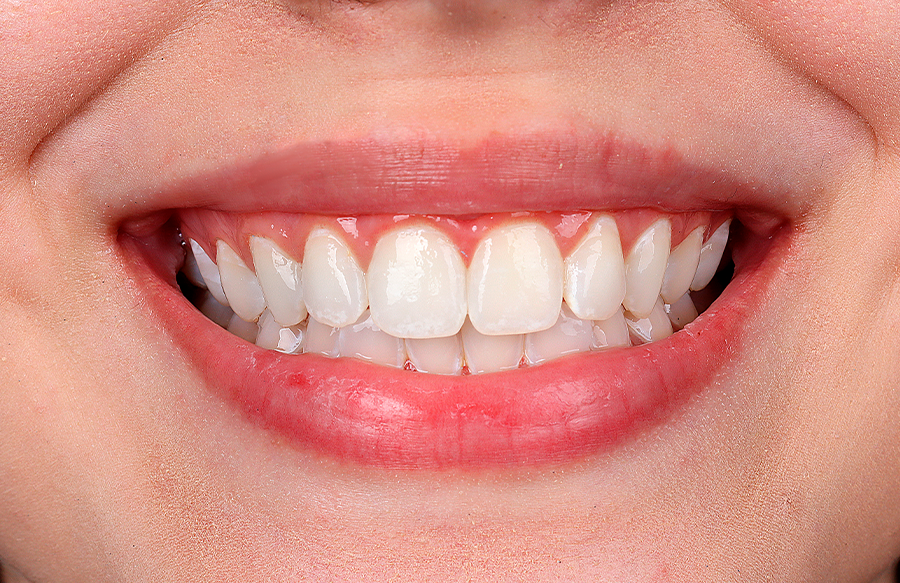
13 | Final smile assessment.
Watch the complete procedure demonstrating the removal of white spot lesions and smile enhancement using Whiteness RM.
Products Used