The digital workflow enables the creation of highly precise molds and surgical guides, reducing errors and ensuring better outcomes for patients.
Efficiency and Speed
With technologies like intraoral scanners and planning software, diagnostic and treatment processes are optimized, reducing patient waiting times and increasing practice productivity.
Improved Communication
3D visualization and virtual simulations make it easier to communicate with patients, helping them better understand the proposed treatment and increasing their confidence.
Patient Comfort
The use of intraoral scanners eliminates the need for uncomfortable impressions, providing a more pleasant experience for patients.
Technology Integration
The digital workflow allows for the integration of various technologies, such as 3D printers and milling machines, enabling the in-house production of high-quality, customized prosthetics and restorations.
Cost Reduction
In the long run, digitizing processes can lead to savings in materials and time while reducing the need for rework and adjustments.
What is CAD/CAM technology?
CAD/CAM comes for the expression:
CAD – Computer-aided design
CAM – Computer-aided Manufacturing
“The CAD/CAM systems emerged in 1957 and came to revolutionize the engineering, architecture, and manufacturing scenarios. This type of system was introduced in dentistry in the 1970s and, in recent years, has become a reality in most dental prosthesis laboratories and dental offices.”
TINSCHERT, J.; NATT, G.; HASSENPFLUG, S.; SPIEKERMANN, H. Status of current CAD/CAM technology in dental medicine. Int J Comput Dent, v. 7, n. 1, p. 25-45, Jan 2004.
Methods of using Digital Workflow
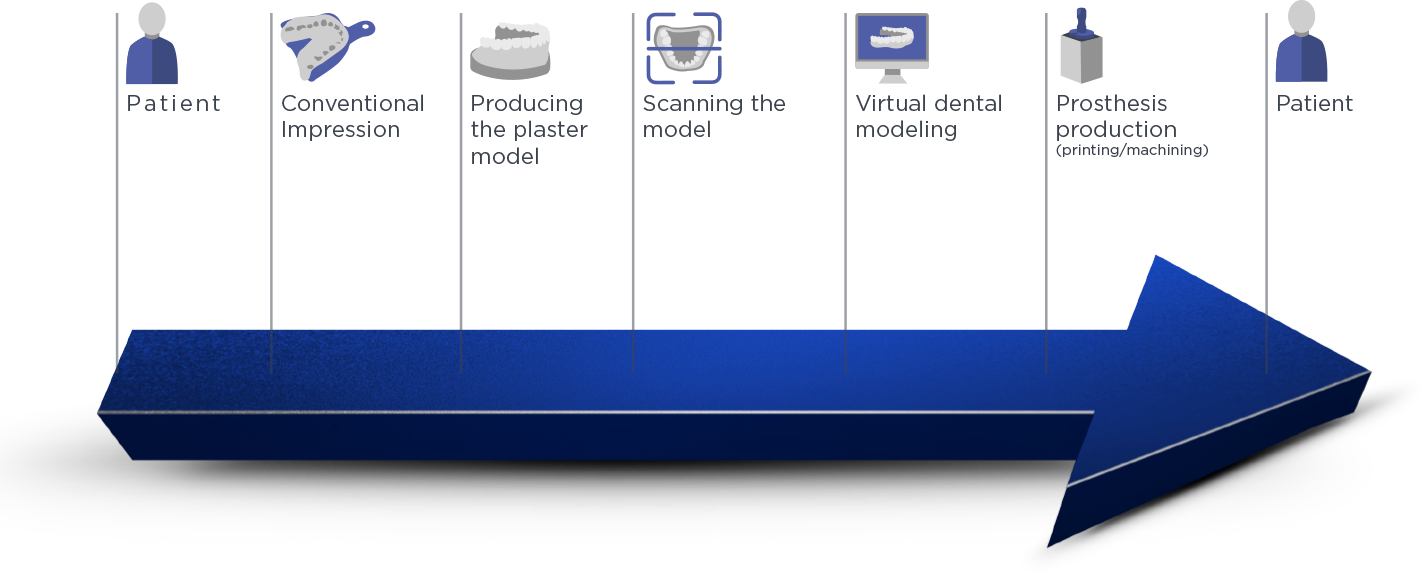
Conducting conventional impression and scanning of the plaster model in a laboratory to produce the parts following the digital flow.
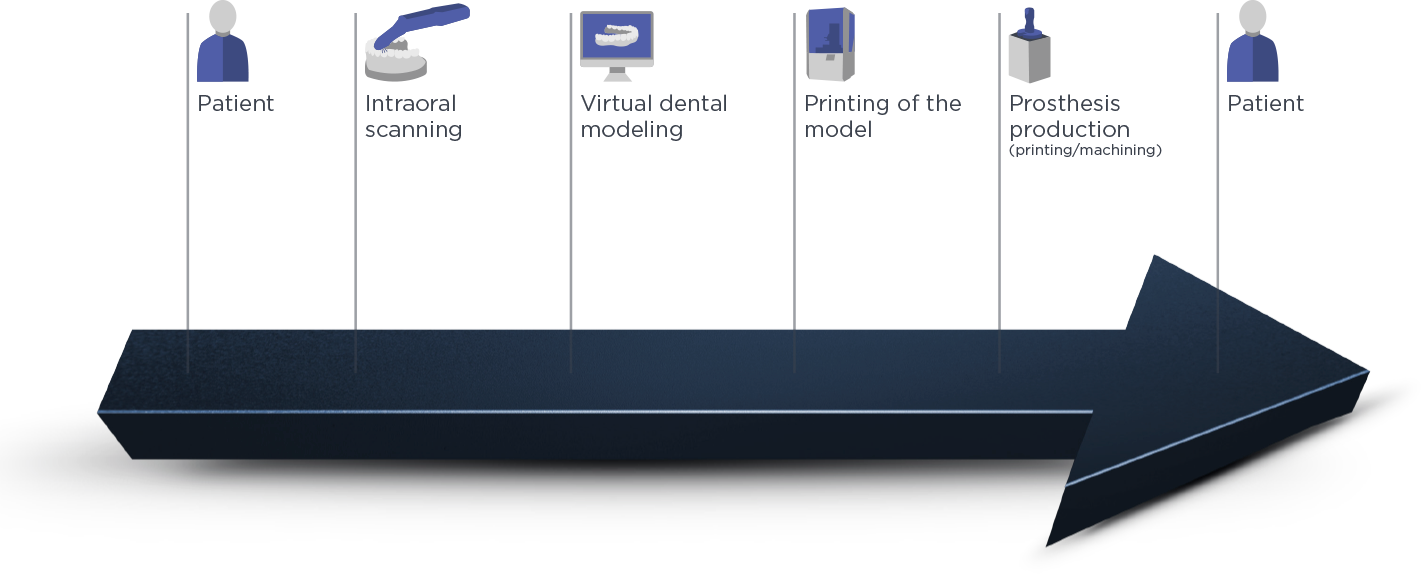
100% digital workflow, with intraoral scanning, model printing with digital analogs, dental modeling in CAD, and manufacturing of the part using CAM equipment.
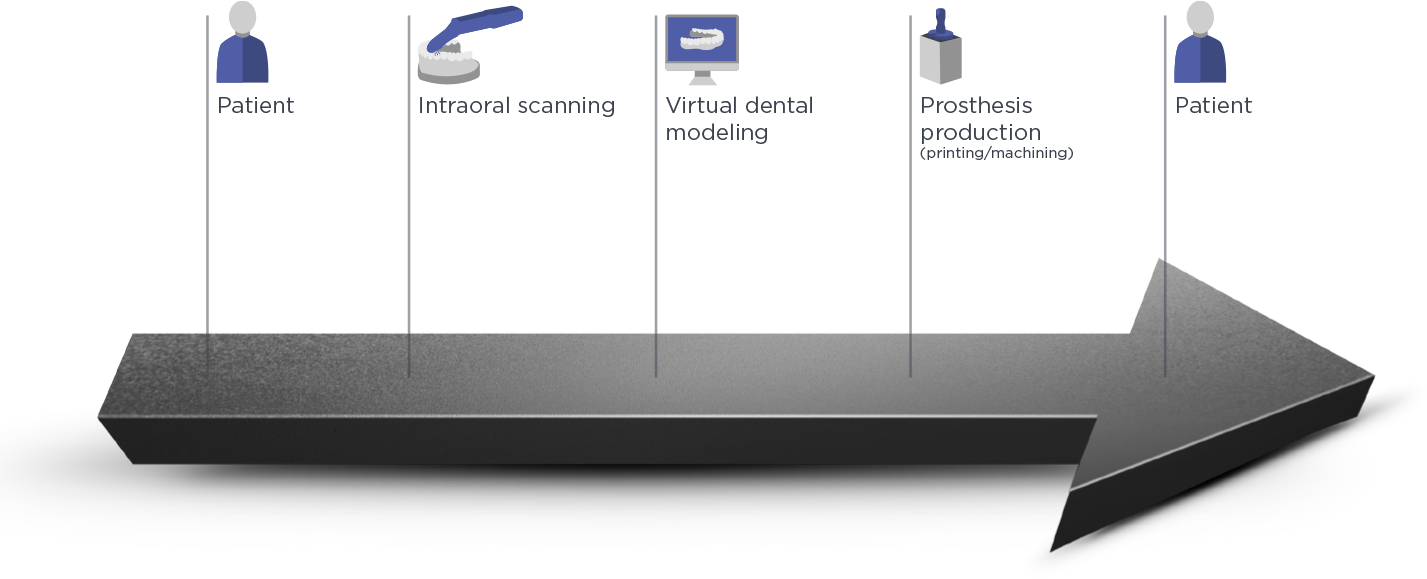
100% digital chairside flow (for dental surgeons who have a complete CAD/CAM system) with intraoral scanning, design of parts using CAD, and milling.
Is it possible to obtain the benefits of the digital workflow without having a scanner in the office?
Yes, it is! This can be achieved by partnering with a laboratory that has this technology.
01
The transfer stage can be performed analogically, without any clinical modifications.
02
The obtained impression receives the analogs and is sent to the laboratory along with the specific scan bodies for the selected components.
03
The physical working model is scanned by the laboratory using the scan bodies. This step generates a digital file that can be edited in specialized software.
04
Digital files in STL format allow for manipulation at various angles, cuts, and shapes, significantly contributing to the three-dimensional development of the piece.
05
The desired piece is milled (or printed) following pre-established digital parameters and adapted to the existing working model.
06
The piece is delivered to the dentist, who can proceed with the rehabilitation without having to invest in any additional equipment for their clinic.
FGM Solutions for CAD/CAM Technology
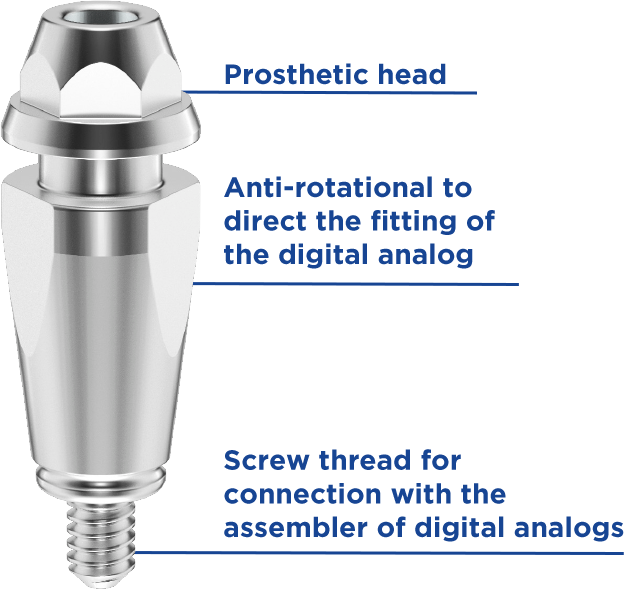
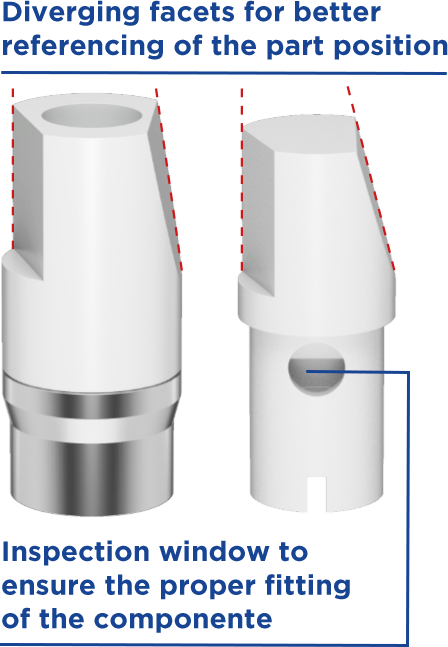
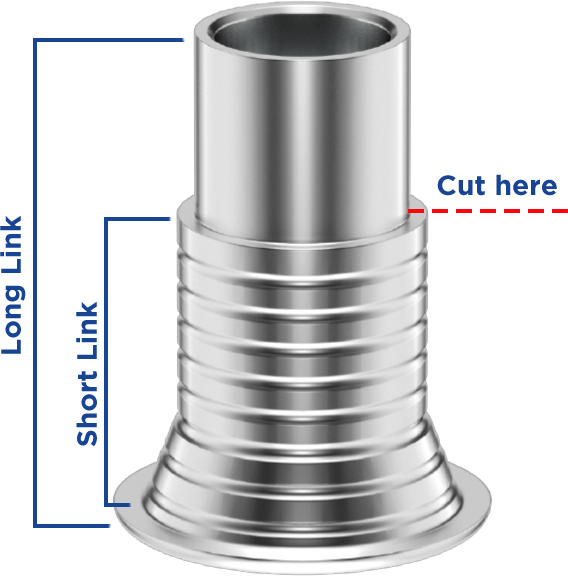
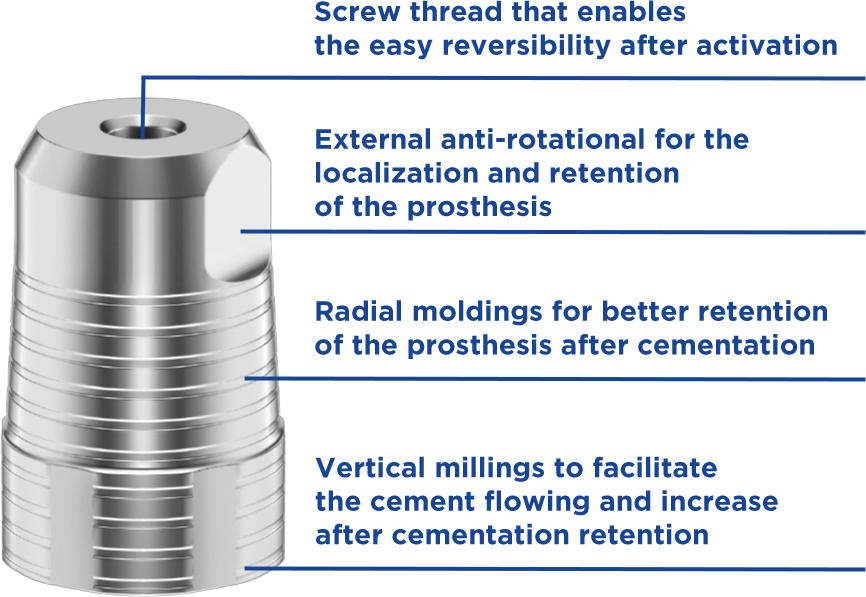
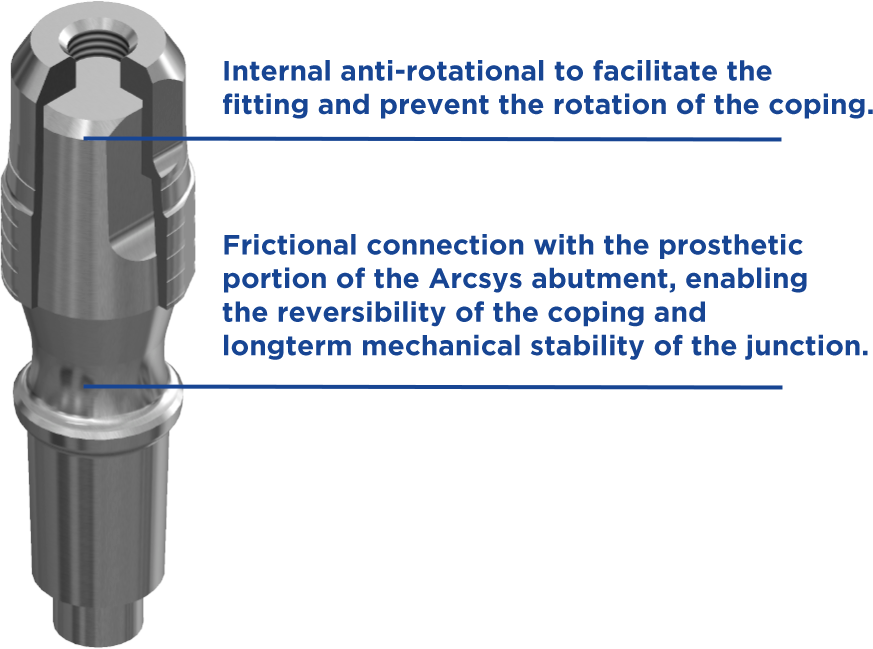
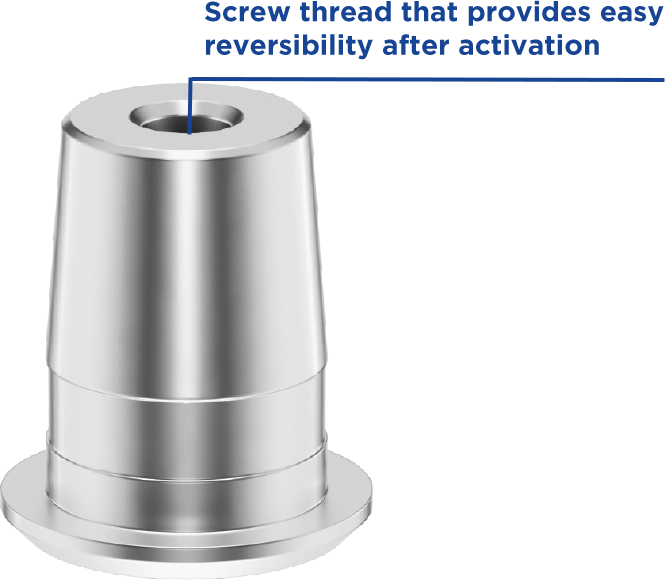
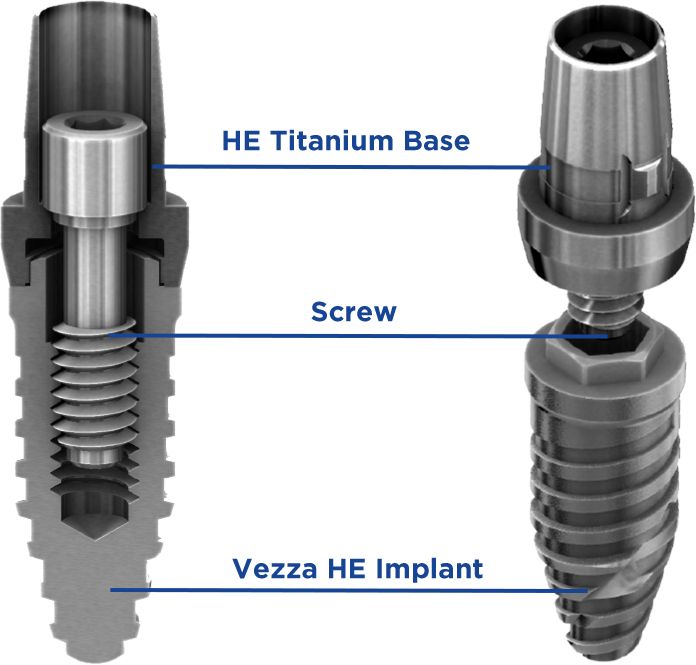
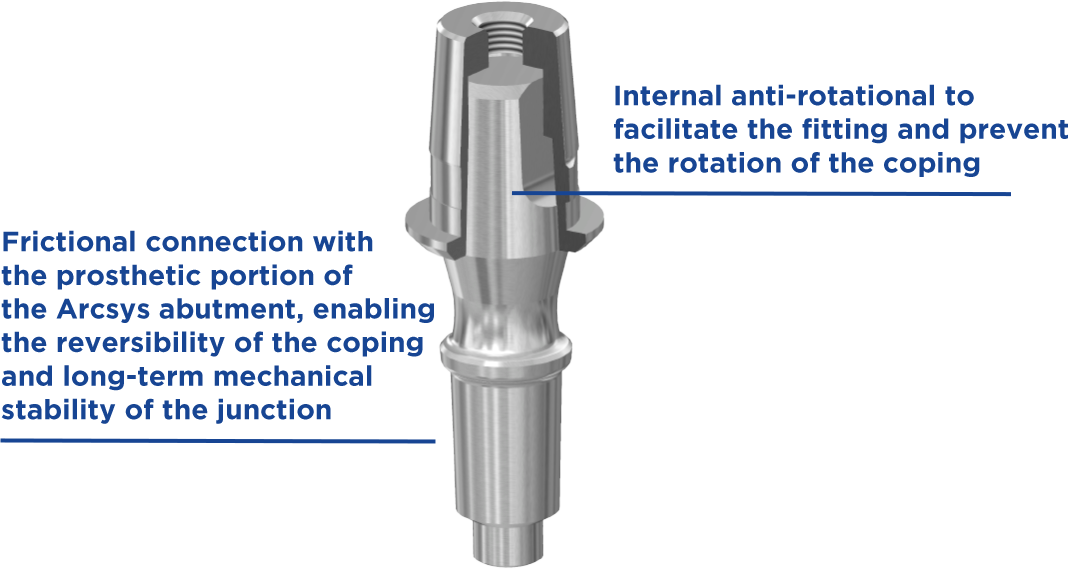
To enable the use of digital technology in prosthetic planning and fabrication workflows, FGM has introduced new product families designed for use with the Arcsys and Vezza implant systems. These families can be categorized as follows:
FGM makes libraries available for the main dental modeling software in the market in order to enable dental prosthesis laboratories which work with the digital workflow to carry out the manufacturing of prostheses that will connect to the prosthetic components and accessories available in the Arcsys and Vezza EH dental implant lines properly and precisely.
The Arcsys Library may be divided into 8 different families
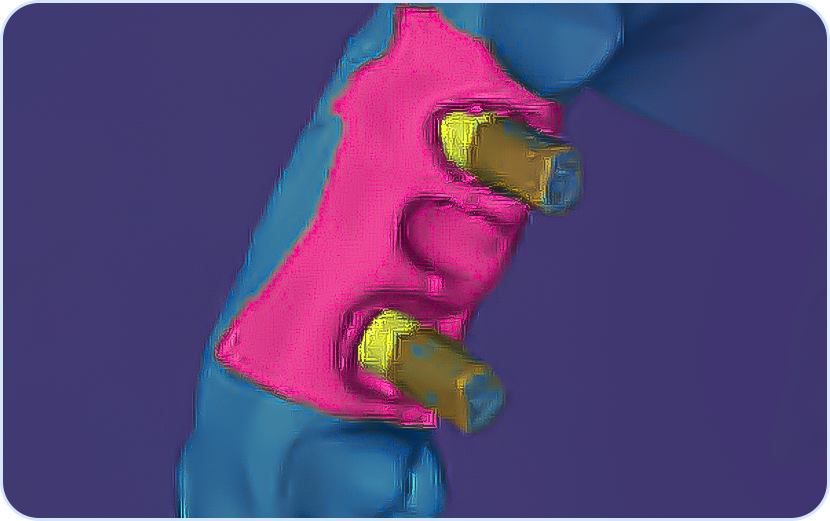
Check out the clinical case by Dr. Patricio Runnacles, where the masticatory function and comfort in the patient’s posterior left mandibular region were restored. For this case, the Arcsys implant and the digital workflow were used.